
WELCOME TO READA
Significant progress has been made in Cambodia since the end in 1998 of 3 decades of war and serious internal conflicts. However given the sheer scale of the damage which left our nation stripped off its civil society, infrastructure and education system; achieving sustainable socio-economic improvement benefiting society as a whole will require patience and dedication.
In rural areas where 80% of the population live, too many people are still living in extreme poverty, being deprived of the necessary services, knowledge and tools to improve their living conditions. Some of the daily struggles poor rural communities still face today are inefficient agricultural knowledge and resources (such as effective irrigation system), remoteness to markets, poor access to health care and education, lack of job opportunities within the village, limited awareness in areas such as nutrition, sanitation & hygiene etc. Furthermore, the civil war and especially the Khmer Rouge era have left widespread misconceptions and fear of local authorities.
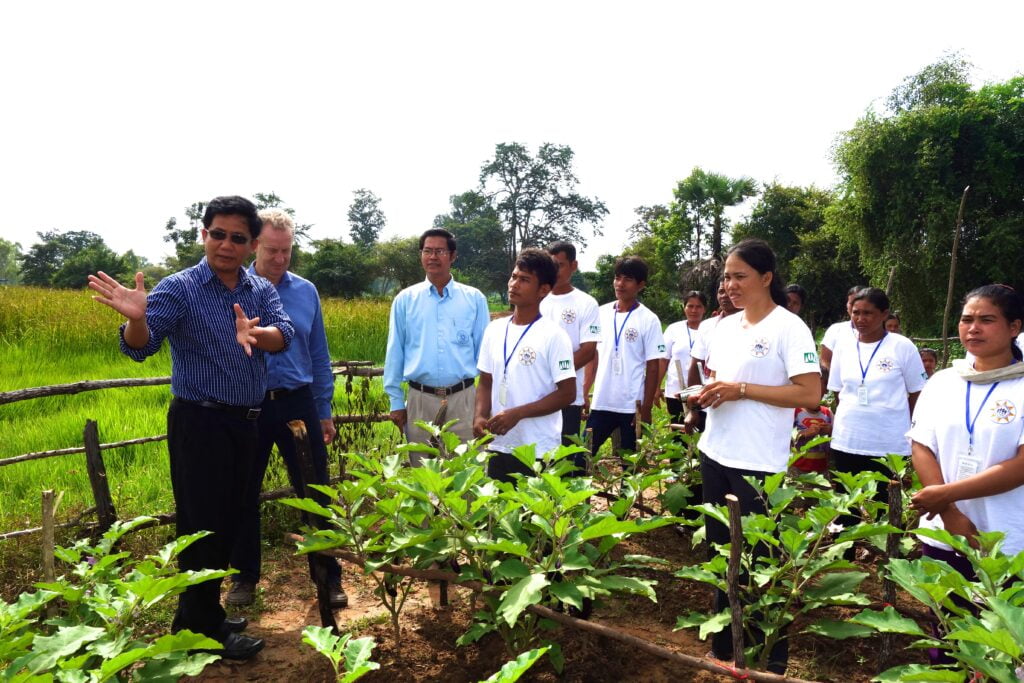
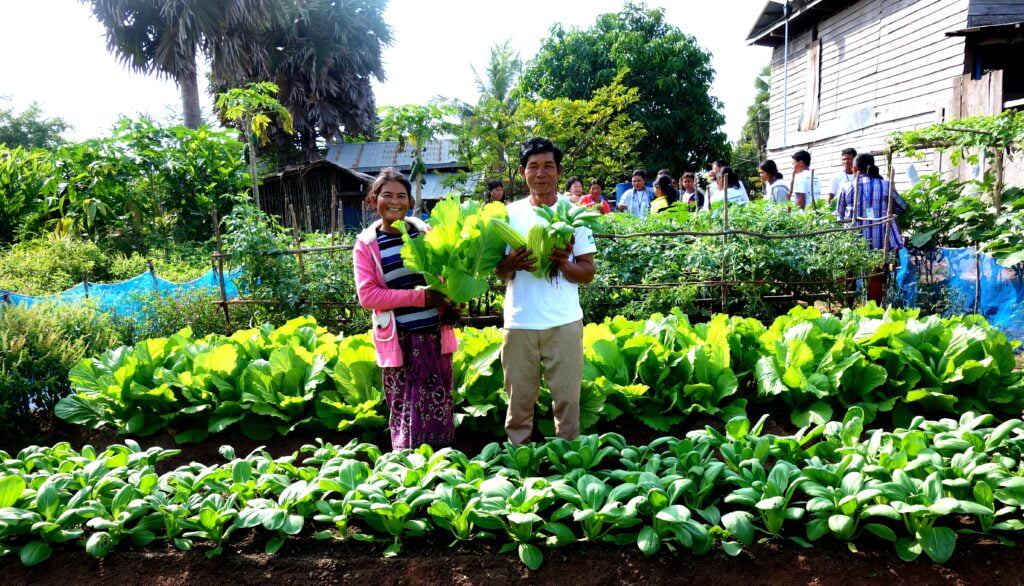
At READA, we want to address these challenges and promote poverty reduction and sustainable development. Our dedicated team works closely with the poorest and most vulnerable members of rural communities to empower them to improve their livelihoods and participation in local decision making.
Vision
Our vision is for impoverished rural communities to achieve advanced socio-economic autonomy through gaining the necessary knowledge, skills & access to services to undertake and pursue sustainable livelihood activities (ranging from agriculture to small and medium businesses) whilst also increasing awareness on social and health issues.
Mission
To build and strengthen the rural community’s capacity in order to achieve long term sustainability through:
- Poverty reduction
- Imported agricultural products reduction
- Chemical reduction and natural resources caring
- Equity and Equality Development
- Family and SME income generation improvement
- Improve of rural product value chains
Supported By


Rural Economic & Agriculture Development Agency (READA) is a non-political, non-religious organization which focuses its efforts on rural community development and livelihood improvement with international and local cooperation partners such as Concern Worldwide/Cambodia, Lotus Relief Charitable Trust, ADDA, AGRISUD International, APO, WFP, DAI, and AIDFI. READA was established in 2004 and registered with the Ministry of Interior in January 25, 2005 Number 090 sCN. It was formed from Cambodian volunteers and a technical assistance group comprised of former AGRISUD International employees.